St. Stephen, Walbrook: Mayor of London’s Church, and home of the Samaritans

By Blog author, December 6, 2009 3:57 am

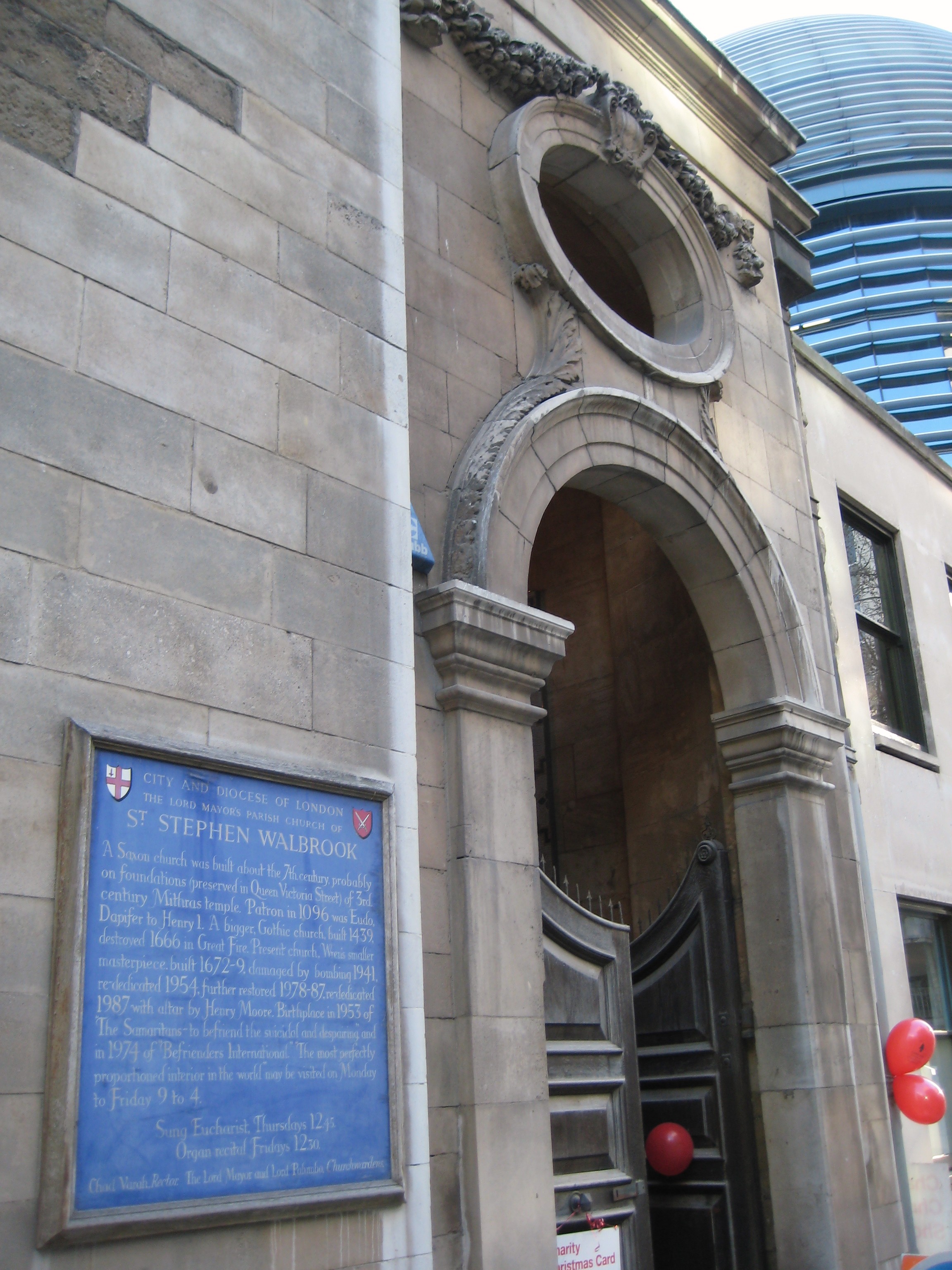
Sir Christopher Wren’s 17th century masterpiece, the small church of St. Stephen Walbrook, is the parish church for the Mayor of London. It’s an ancient site - before the mediaeval church there was a Saxon church on the site, which in turn had replaced a Temple of Mithras from the second century AD.

In more recent times, the Samaritans, an organisation offering support and help to those suffering from depression or at risk of suicide, was founded at St Stephen in 1953, as was the international arm, Befrienders Worldwide.

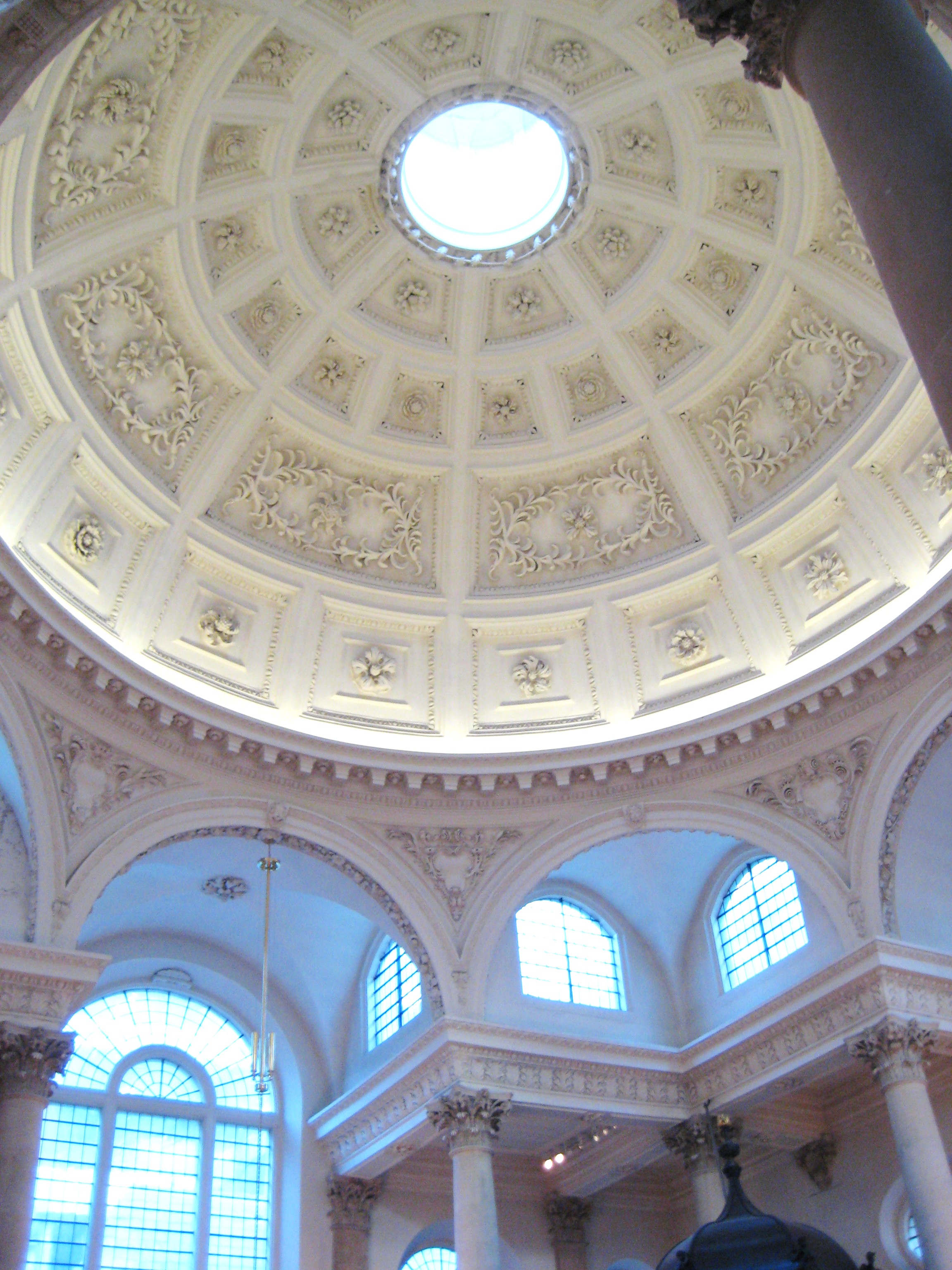
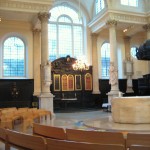
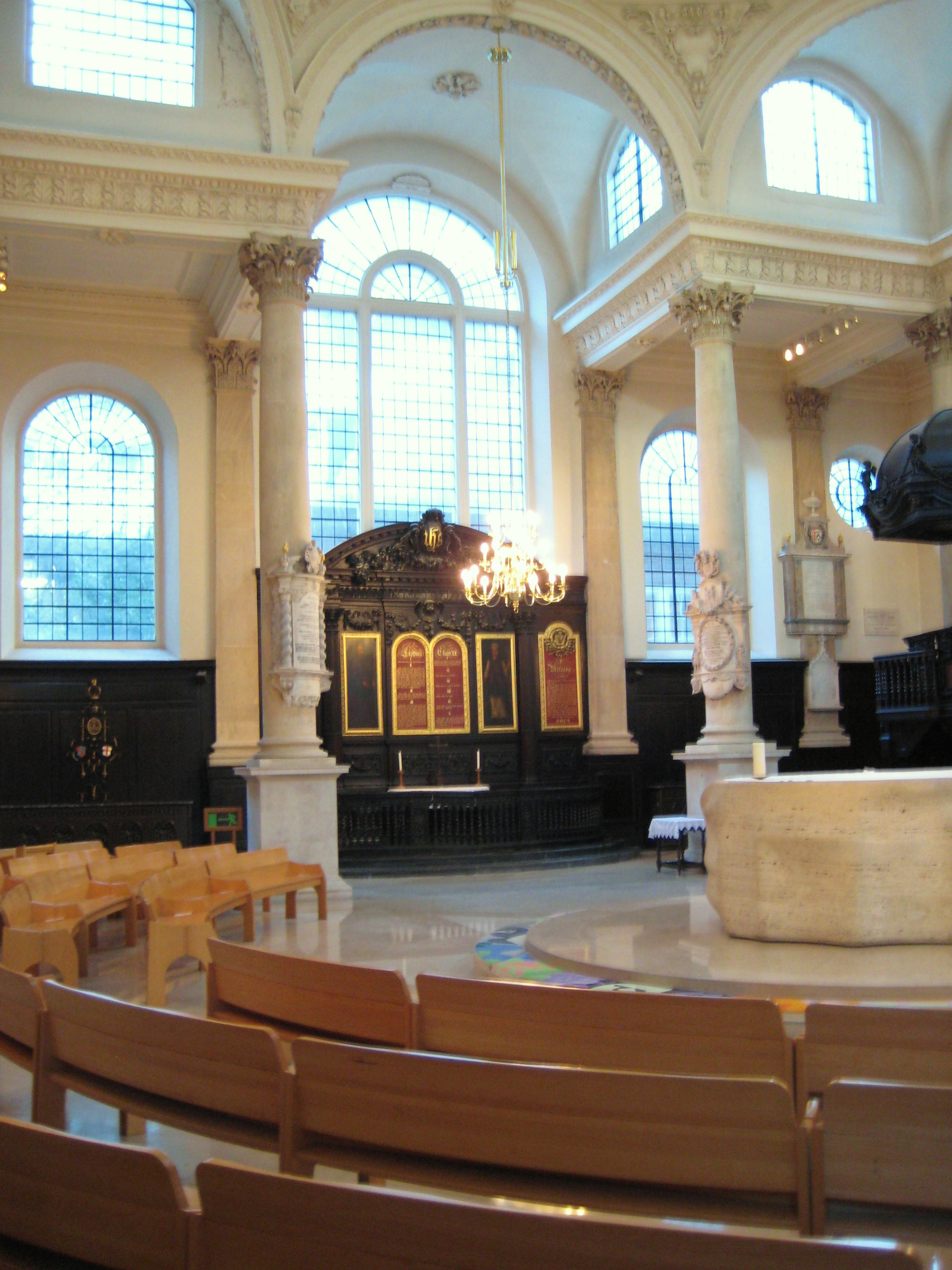
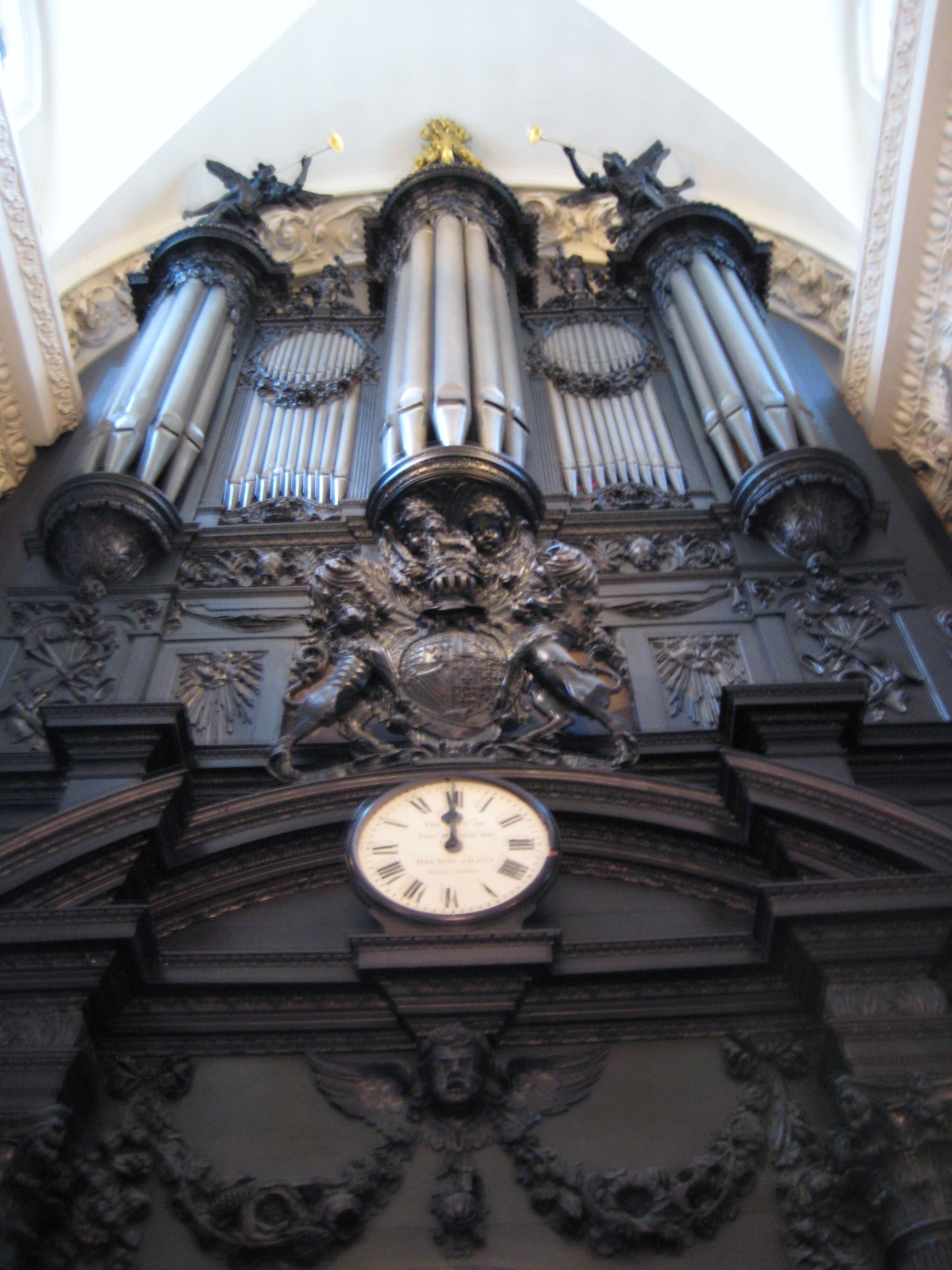
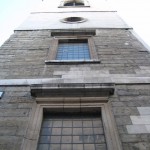
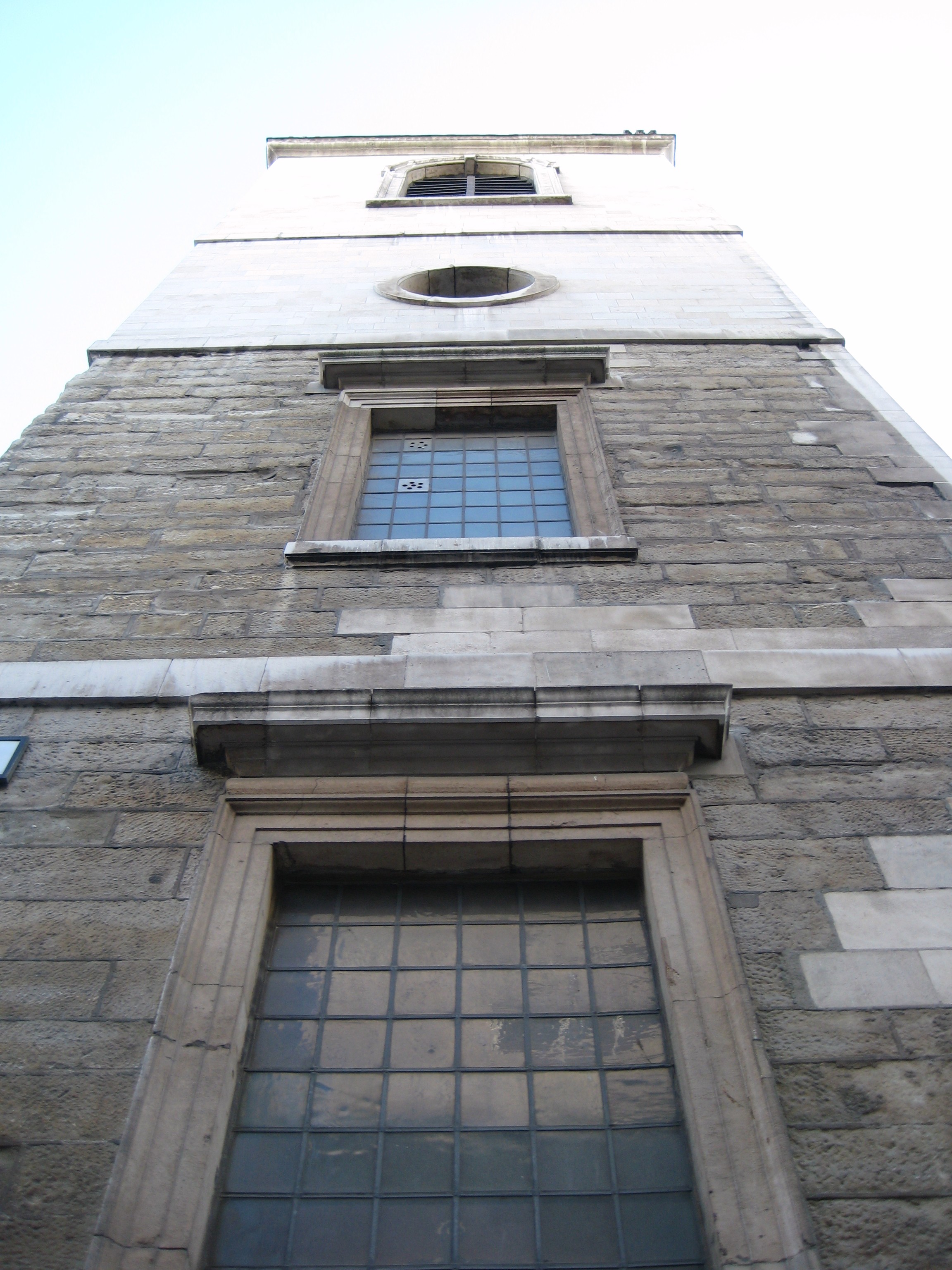
This post is about the four different religious buildings which have been built on this same site, the founding of the Samaritans charity in the Church, and finishes with pictures, taken yesterday, of the breathtakingly beautiful church built by Sir Christopher Wren after the Great Fire of London.

The Roman Temple of Mithras

A statue of Mithras slaying a bull. This sculpture is in the British Museum.

During the 400-year Roman occupation, the Temple of Mithras was built on the banks of the Walbrook, a small stream then running through the centre of Londinium. (Like many other London rivers and streams, it now runs in a culvert underground - see this post on the River Fleet for information about London’s largest buried river).

The Mithraic Mysteries / Mysteries of Mithras / Mithraism was a Roman Cult. It had 7 levels of people in the cult, in a type of gnostic progression, and engaged in ritual slaughter of bulls, and ritual meals. Not much else is known about the cult, which was highly secretive, albeit wide-spread throughout the Roman Empire.

After the Fall of Rome, the stones from the Temple seem to have been taken away for other buildings, leaving only the foundations.

These were re-discovered during building work in the 1950s, and are preserved in the courtyard of a rather nasty modernist office block.


The Saxon Church

At some unknown time between the 7th and 10th centuries, a Christian church was built on the site of the Roman temple. This often happened, in order to “hallow” the sites of pagan temples. The Saxon church used the foundations of the Roman Mithras Temple. It is mentioned in records in the late 11 century, when it was given to a monastery. What it looked like is a mystery.

The Mediaeval Church (15th century)

By the 15th century, the church was too small for the parish’s needs, and it was re-built on the east side of the Walbrook, now a road rather than a river. One of a staggering 100 churches in the City of London, also known as “the square mile”, the mediaeval church was built of flint, and had both a tower and a cloister.

Like much of the City, the Church burned in the Great Fire of London, in 1666.

Christopher Wren and the Rebuilding of the City of London

A portrait of Sir Christopher Wren, by Godfrey Kneller (1711)

More than three-quarters of the City had been destroyed in the Great Fire. One of those charged with getting London back on its feet as soon as possible was Christopher Wren, the King’s Surveyor.

Wren designed and supervised more than 50 churches, among other buildings both in London and elsewhere. Under the Rebuilding Act 1670, he supervised a vast programme of building work.

St Stephen Walbrook was Wren’s local church - he lived on Walbrook, and was in the parish. The work on the church began in 1672. By 1679, the church was finished, apart from the steeple, built 12 years later.

The Architecture of St Stephen Walbrook

Sir John Sommerson described the church of St Stephen as “the pride of English architecture, and one of the few City churches in which the genius of Wren shines in full splendour”. Nikolaus Pevsner thought it one of the ten most important buildings in England.

The building was, in effect a series of experiments for the ideas Wren had for the rebuilding of St Paul’s Cathedral. The dome was very unusual in English ecclesiastical architecture at the time.

As the building materials were lighter than those used in the much larger St Paul’s, the sense of light and space inside St Stephen Walbook is wonderful.

The location is an extremely hectic one - the Mansion House, the Bank of England, and the City of London Magistrates’ Court are all within sight from Walbrook. And yet, stepping inside the church, there is a simple oasis of calm and beauty.

Music at St Stephen Walbrook

The church is well-known for music recitals. In particular, it has organ recitals on Fridays, at lunch time. For a list of upcoming events, see here.

The Samaritans

This important and valuable charity was founded in 1953 by the then Vicar of St Stephen Walbrook, Chad Varah. He thought there wasn’t enough support for people undergoing a traumatic emotional time, and was particularly moved after burying a 14 year old girl who had thought that the onset of menstruation was a disease, and had killed herself. He wanted to set up what he called a “999 for the suicidal” (999 being the UK’s emergency number). What was needed, in Chad Varah’s view, was “a man willing to listen, with a base and an emergency telephone”. And so it came to pass.

The phone was set up in the Crypt of St Stephen Walbrook and this, the first telephone helpline in the UK, achieved a great deal of publicity in the press. Volunteers came forward to help man the phone. The service grew - today, there are 201 branches and 17,000 trained volunteers in the UK and Ireland who answer phone calls, have drop-in centres, and receive emails and texts. For more information about this important charity, see their website. The Samaritans also run Befrienders Worldwide, an international service doing much the same work.

Photographs of St Stephen Walbrook today


Fireworks, Bonfires and Guys - celebrating Guy Fawkes’ Night

By Blog author, November 6, 2009 2:53 am

Gunpowder, Treason and Plot

Contemporary picture of Guy Fawkes being arrested

Contemporary picture of Guy Fawkes being arrested

Guy Fawkes and his group of Catholic fellow-conspirators did their best to blow up Parliament on the 5th November 1605, on the day of the State Opening of Parliament.

Their conspiracy, and the 36 barrels of gunpowder stashed in a cellar under the House of Lords, was discovered hours before the explosion was due.

The “gunpowder plot” and the rebellion that was supposed to follow failed, and James I kept his throne, and the Members of Parliament and Lords stayed alive.

For more about the history and aims of the gunpowder plot, see the previous post on this site.

The defeat of the plot - and the subsequent torture and execution of the plotters - is celebrated annually with great enthusiasm to this day. This post is about the bangs, fires and whimpers of Bonfire Night / Firework Night Guy Fawkes’ Night in England - fireworks, bonfires, burning effigies, and special grub.

The Times has an article about good public displays and events in 2009 here.

Family parties and public events

Guy Fawkes' Night at Windsor Castle, 1776

Guy Fawkes' Night at Windsor Castle, 1776

Lots of people go to big public firework displays, held on commons, heaths and in parks all over the place.

These tend to be on the nearest Saturday to the 5th November, rather than on the actual day (if the 5th November isn’t a Saturday anyway).

Similarly, people often choose to have private parties in their own back gardens, more often on the actual day, whatever day of the week that happens to be.

That way they can also attend a grand display locally, should they choose to do so!

Fireworks

Fireworks are a big part of Guy Fawkes’ Night. It’s perfectly legal to buy fireworks (other than the really big kind) and set them off in your own back garden, and many families do. Mine always did as a child, and we loved it. Bangs and stars in the sky are therefore a common feature of the week or two around the 5th November. Newsagents, supermarkets and other shops usually sell boxes of a selection of fireworks and rockets, and also packets off sparklers, around the start of November.

Bonfires

Bonfires are a big part of the evening. It’s a handy time of year (lots of dead leaves and fallen branches) and helps to keep people warm as well, if it’s chilly. Public celebrations also often have them - in my parents’ village in Kent, they have an enormous bonfire lit on the village green before the fireworks start - it’s usually about 20 - 30 feet tall, and people are cheerfully invited to contribute suitable burning material.

Burning Guys, and “penny for the Guy!”

The Gunpowder plot conspirators, including Guy Fawkes

The Gunpowder plot conspirators, including Guy Fawkes

Traditionally, a figure is burned on the bonfire - a rough model of a man, often about or nearly life-size. This “guy” is supposed to represent Guy Fawkes himself, although in real life, Fawkes was sentenced to be hanged, drawn and quartered, rather than burned.

Until the end of the 19th century, effigies of the Pope and Devil were often burned as well, but such overt anti-Catholicism is rather unfashionable, now.

Unpopular politicians and so forth can find themselves being modelled for bonfires to this day. This year, for example, the Bonfire Society in Edenbridge in Kent intends to burn a 30 foot guy modelled on Jordan, AKA Katie Price (a model). The BBC has written about the plans here.

In my family, when I was a child, we made a guy every year from sacks or similar, and clothed him in ragged old jumpers unfit for anything else. A face was drawn on with pen, and chunks of wool for hair. Not great works of art, but fun to make.

Just before the bonfire is lit, the effigy is slung on the top, to burn with the fire.

It used to be much more common for children to make a guy, and trundle it round the streets in a pushchair or trolley, shouting, “penny for the guy” in order to collect funds for fireworks. The more impressively-created the guy, the more money could be expected. It happens less now, especially because children aren’t allowed to buy fireworks any more - a buyer has to be over 18. It’s still pretty common for a guy for a village event to be left out with a collecting tin, to gather funds for a firework display.

Food

There are certain foods which are traditionally-eaten on Bonfire Night - some are traditional nationally, others only in one region or county.

Common across the country is a meal of sausages, jacket potatoes, and baked beans, or similar. The potatoes can be wrapped in foil and put at the edge of the bonfire to cook.

Treacle toffee (darker and much less sweet than normal toffee) and toffee apples are common.

“Parkin” is a common Bonfire Night all over the country, but the actual recipe for this varies hugely. Same name, rather different food! Mostly, it’s a type of soft, treacle-based cake, made with both oats and flour.

Famous Bonfire Night Celebrations

Burning crosses symbolising 17 protestant martyrs in Lewes

Burning crosses symbolising 17 protestant martyrs in Lewes

There are many local traditions and societies, so I’ll only mention a couple of the biggest and best-known.

Lewes, a town in East Sussex, has a particularly enthusiastic group of Bonfire Societies.

Each of the 7 main societies creates at least one elaborate effigy - Guy Fawkes predominates, local and national politicians often also feature.

There are also models of people’s heads on pikes (a type of spear), often modelled after unpopular members of the town council, or those who opposed the Lewes festivities.

Societies, each with mottos and caps, parade their effigies and heads through the streets, carrying fire torches and similar.

Smugglers in the Cliffe Bonfire Society's parade in Lewes

Many people in the parades are dressed up - Zulus, smugglers and Elizabethans are particularly common.

The parades end in bonfires and firework displays. Lewes is a small town, but crowds of up to 80,000 are common, and roads, car parks etc are closed down for the evening.

You can find the Lewes Bonfire Council’s website here.

I’ve been to the Lewes event a couple of times - my uncle lives near by. It’s awe-inspiring, mad, and fantastic fun.

Ottery St Mary in Devon is a small town with a very odd Guy Fawkes tradition. The first part of the Carnival consists of costume parades and fireworks (so far, so normal).

The second part is made up of men, women and children carrying tar barrels through the streets, while those barrels are on fire.

A man carrying a flaming tar barrel in Ottery St Mary

A man carrying a flaming tar barrel in Ottery St Mary

There are 17 barrels, all lovingly-coated with coal tar over some months, and then filled with hay or paper.

Each is lit outside a traditional pub, shop, or hotel, throughout the afternoon and evening, and then people take it in turns to run through the streets, carrying the flaming barrels.

It’s a family-based tradition - people in the same families tend to carry barrels from the same pubs down the years.

The Ottery St Mary tar barrel site is to be found here.


Guy Fawkes - Gunpowder, Treason and Plot

By Blog author, November 5, 2009 11:59 pm

What’s Guy Fawkes’ Night AKA Bonfire Night AKA Fireworks Night all about?

The conspirators in the Gunpowder Plot, from a contemporary drawing

The conspirators in the Gunpowder Plot, from a contemporary drawing

If you are anywhere in the UK tonight, you are probably either at a Bonfire Night party, a Guy Fawkes’ Night bash, or hearing the cracks and bangs and seeing the stars out of the window from other people’s celebrations.

The gunpowder plot, the failure of which is commemorated every 5th November, was an audacious plan to blow up the Houses of Parliament on 5th November 1605.

It was the day of the State Opening of Parliament, and the plotters hoped to kill pretty much everyone involved in the government in one fell swoop - King James I, Members of Parliament, and the Lords Spiritual and Temporal (the House of Lords mob).

And now, 400 and more years later, it’s a big, annual event here, still. So this post will tell you all about the history of the gunpowder plot, and how its failure turned into the celebration of Guy Fawkes’ Night. The next post on this blog will be about the celebration of Bonfire Night to this very day.

Guy Fawkes' signature after torture

Guy Fawkes' signature after torture

As a poet wrote (in slightly doggerel form) at the time of the gunpowder plot:

Remember, remember the fifth of November,
The gunpowder treason and plot,
I know of no reason
Why gunpowder treason should ever be forgot.

The Gunpowder Plot

Led by Robert Catesby, a group of disgruntled Catholics, who had hoped the accession of James I would lead to greater religious toleration, and had been disappointed in their expectations, had a big idea.

They decided to blow up the government, kill the King at the same time, dispose of most of his family, kidnap his 9 year old daughter, Elizabeth, lead a country-wide rebellion based in the Midlands, and then put Elizabeth on the throne as Queen of England and Scotland.

Elizabeth of Bohemia, intended (by the gunpowder plotters) to be the next Queen of England

Elizabeth of Bohemia, intended (by the gunpowder plotters) to be the next Queen of England

Guy Fawkes was a Roman Catholic who had fought for the (Catholic) Spanish Empire for at least 10 years, known in Spain as Guido Fawkes. He had a lot of experience of blowing things up, and became the man in charge of the Gunpowder Plot attempt to blow up Parliament.

In May 1604, one of the plotters, Thomas Percy, rented rooms next to the House of Lords, intending to tunnel underneath the House and put gunpowder there. The plotters started their excavations, but a nasty outbreak of plague caused the State Opening of Parliament to be put back to 1605.

A cellar under the House of Lords became vacant, and Thomas Percy quickly grabbed the lease and rented it. Guy Fawkes then arranged for 36 barrels of gunpowder to be put in the cellar, covered with firewood (36 barrels of gunpowder blowing up in one go would cause a pretty impressive explosion, by all accounts).

By March 1605, the gunpowder was all in place, and the conspirators moved on to planning the rebellion.


How it all went wrong

As the State Opening drew closer, Guy Fawkes prepared to supervise the explosion, and the rest of the plotters made their way to the Midlands, to start the rebellion once Parliament had been blown to smithereens.

At least some of the plotters were worried about blowing up fellow-Catholics attending the event. At the end of October, an anonymous letter was sent to Lord Monteagle, a prominent Catholic, saying, retyre youre self into yowre contee whence yow maye expect the event in safti for … they shall receyve a terrible blowe this parleament (retire yourself into your county, where you may expect the event in safety, for… they shall receive a terrible blow this parliament).

Lord Monteagle, being a public-spirited sort of chap, brought the letter to the attention of Robert Cecil, Secretary of State and Earl of Salisbury, who showed it to the King. A search of the Parliament was ordered, and in the early hours of the morning of the 5th November, D-Day, as it were, Thomas Knyvet arrested Guy Fawkes leaving the gunpowder cellar.

The aftermath, torture, and executions

The execution of Guy Fawkes, from a 17th century print. Showing all sorts of cheerful hanging, drawing and quartering

The execution of Guy Fawkes, from a 17th century print. Showing all sorts of cheerful hanging, drawing and quartering

Guy Fawkes gave a false name (Johnson) and was held in the Tower of London. He claimed he had been acting alone, and later under torture gave the names only of plotters already caught.

Torture was only allowed by Royal Warrant or by the order of the Star Chamber, but James I cheerfully gave his written orders for torture to be carried out, writing

“The gentler tortures are to be first used unto him, et sic per gradus ad maiora tenditur” (“and thus by steps extended to greater ones, in English”), “and so God speed your good work.”

The Midlands rebellion was attempted, but fizzled out.

The plotters were tried in Westminster Hall, part of the House of Parliament to this day, in a grand public event, on 27th January 1606.

With a certain judicial swiftness, the men were found guilty in the one-day trial, and executed on 30th January in St. Paul’s Cathedral in the City of London (4 men) and the rest, including Fawkes, were hanged drawn and quarted in Westminster on 31st January.

Fawkes managed to evade the really nasty bits of his punishment by jumping as he was hanged, so he wasn’t still alive to have his entrails removed and be chopped into bits.

James I gave a speech to Parliament a few days after the discovery of the plot, in which he described its failure as a miracle, and explained how it had confirmed his belief in the Divine Right of Kings.

It was that belief of the Stuart Kings which lead to all sorts of trouble later in the century, most notably, the regicide of King Charles II and the establishment of the Puritan Commonwealth under Oliver Cromwell.

And this torture, trial and execution is generally and cheerfully celebrated yearly in England!


Almost immortal but less than human - fairies before Shakespeare

By Blog author, October 27, 2009 4:24 am

Introduction to English fairies

The presence in the world of fairies was not a new idea when Shakespeare wrote A Midsummer Night’s Dream, or The Tempest. There was a long and rich English tradition of the fairy world for Shakespeare to draw on - although he altered the perception of the being forever, by making them more fun, friendly, and less of a threat to people.

This article is about the fairy world before Shakespeare, in English folklore and legend. It is a threatening world, not one of little girls dressing up in pink and waving wands.

Connla and the Fairy Maiden - a Victorian drawing

Connla and the Fairy Maiden - a Victorian drawing

The origin of fairies

There were different ideas about where fairies came from, and what caused them to live in the human world. These tended to be geographically-based - so in Cornwall, Wales, and Ireland, fairies were often thought to be either immortal beings, or race of ancient, small people who had retreated before an invading population of humans.

Sometimes, particularly in the north of England, fairies were thought to be fallen angels, living on earth.

A common idea in the south of England is perhaps the most intriguing - that fairies were almost immortal, but less than human. The fairy lived for a long time - much longer than man’s three-score-years-and-ten, but he did not have a soul, so at the end he just dried up and withered away.

In this way, fairies had an essential sadness about them - a long life, but only life on this earth, with no afterworld to look forward to, and a difficulty in feeling emotion in a human fashion. This is perhaps the idea that Shakespeare drew on in creating Ariel in his play The Tempest. In Act V, Ariel says to his master, Prospero:

Your charm so strongly works ‘em
That if you now beheld them, your affections
Would become tender.

And when Prospero asks, Dost thou think so, spirit? Ariel replies, Mine would Sir, were I human.

Size, appearance and associations

"Plucked from the Fairy Circle" - a man  saved from the fairy circle by a friend

"Plucked from the Fairy Circle" - a man saved from the fairy circle by a friend

Medieval and folklore fairies were generally the same size as fairly small adult people, and were almost always dark-haired and with darker than normal skin. They were extremely beautiful, but their dark colouring represented, to the medieval mind, their dark nature.

As fairies were strongly associated with nature, they often wore green or brown. They could often change their appearances, or become invisible, at will.

The flower fairies, and fairy wings, are both later ideas, far more in tune with the twee Victorian fairies than anything older. The first apparent association of flowers in particular (as opposed to nature in general) with fairies seems to have been in the person of the Fairy Queen, Titania, in Shakespeare’s A Midsummer Night’s Dream.

Medieval fairies were most often associated with farms, and the domestic world. They were in and around people’s homes, part of everyday life. Fairies were particularly sensitive to mess and disorder, and were known to punish people who were untidy and dirty.

Fairies, changelings and abductions

Fairies were known to abduct people, in particular babies. When a fairy stole a baby, he left a fairy baby in place of the human baby - the changeling child.

Women who had recently given birth were particularly at risk of being taken by the fairies, before the Churching ceremony which cleansed them of the sin of Eve, childbirth, 40 days or so after the baby was born.

Children who suffered from birth defects, or conditions such as autism, were sometimes suspected of being changeling babies.

The belief in changelings persisted for much longer than other ideas about fairies’ evil deeds - in late Victorian England, it was still being written about as a current belief in some rural areas.

The unfortunate children who were labelled as changeling babies could have a very tough time - Martin Luther believed that changelings were not human babies, but were soul-less and could be killed with impunity.

There is a fascinating online book here about British Changeling Legends.

Fairy pranks and evils

Fairies were responsible for all sorts of mishaps, from tangled hair and missing needles, but also for paralysing people or animals, causing tuberculosis, or other serious illness and even death.

Placating the evil-doing fairies

Fairies depended on people for their food and water - and in particular, for their favourite dairy products, milk and cream. The association with cleanliness is clear, here - the need to keep dairies clean was well-known in medieval England. And keeping the fairies supplied with what they wanted was a way to protect oneself from the evil deeds fairies too often perpetrated on people who displeased them.

To try to guard against a baby being stolen, mothers were advised to make sure someone was awake and watching over a newborn ever minute of the first few days of his life, and with great care until the baby was a couple of months old.

Fairies were known to hate cold iron, rowan trees, and other charms. Some protections varied - in some parts of the country bread repelled fairies, while in other parts, they liked their daily loaf.

Shakespeare’s changes to the fairy world in A Midsummer Night’s Dream

Shakespeare adopted some traditional fairy beliefs, but also altered others. His fairies had an Indian changeling boy, kept fairy hours (mostly dark times of day) and fairy times of year.

Robin Goodfellow, or Puck, was a common folk figure, well-known to Shakespeare’s audiences. But until A Midsummer Night’s Dream, he wasn’t a fairy - he was too nice for that, his pranks were not really harmful. Fairies were nastier.

And Oberon, in the play, acts at the end to sort out the humans’ lives and make everything as it should be - for altruistic reasons.

It was the beginning of the rehabilitation of the English fairy.


Dead photos - Victorian post-mortem photographs

By Blog author, October 16, 2009 1:26 am

Death, in Victorian England, was a grand and complicated business. There were many social rules in the classes who could afford it about mourning clothes, degrees of morning, and the length of time for which different mourning colours were to be worn.

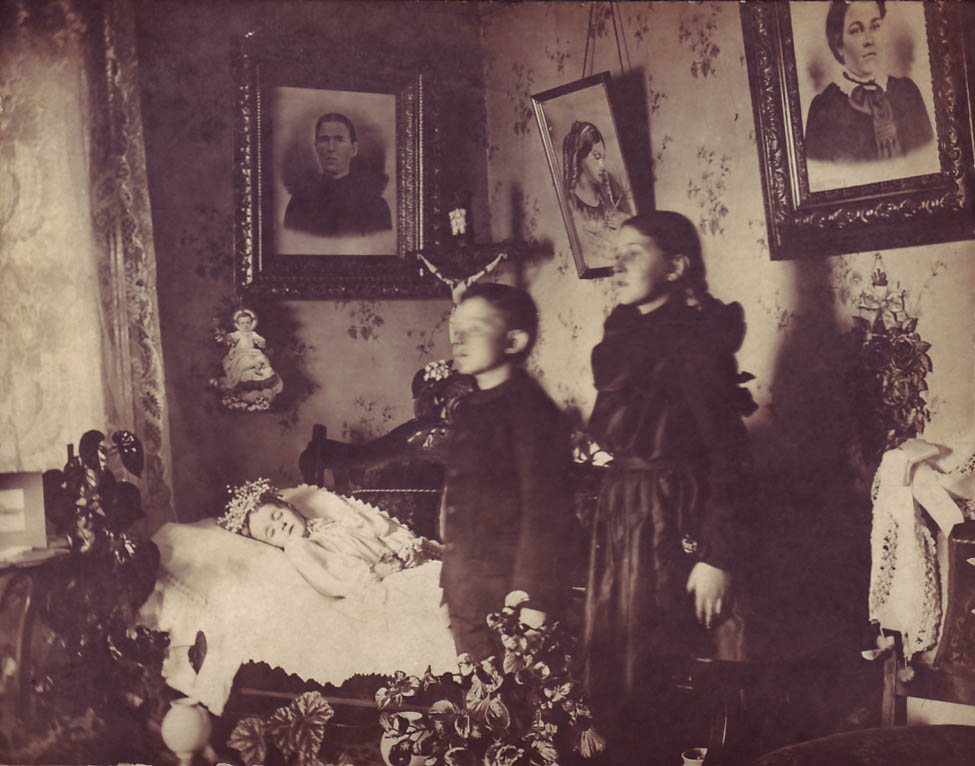
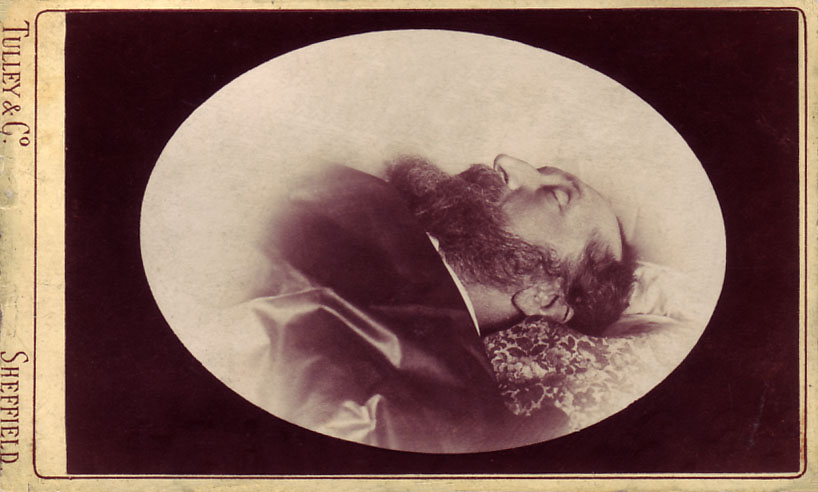
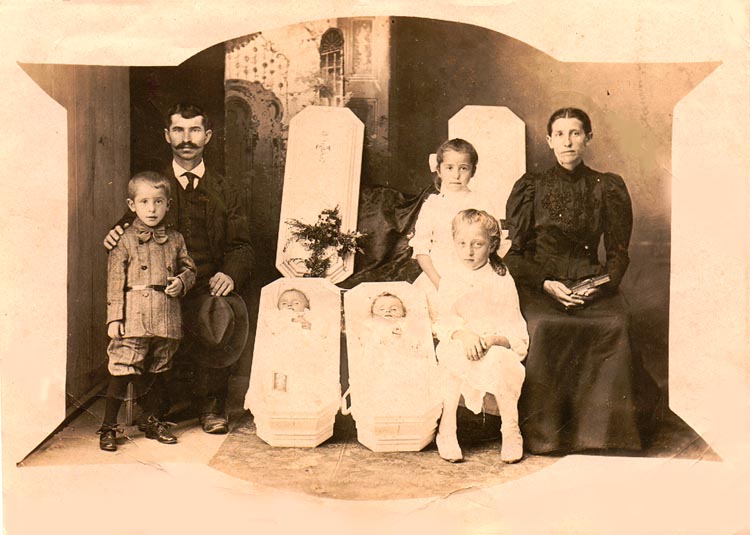
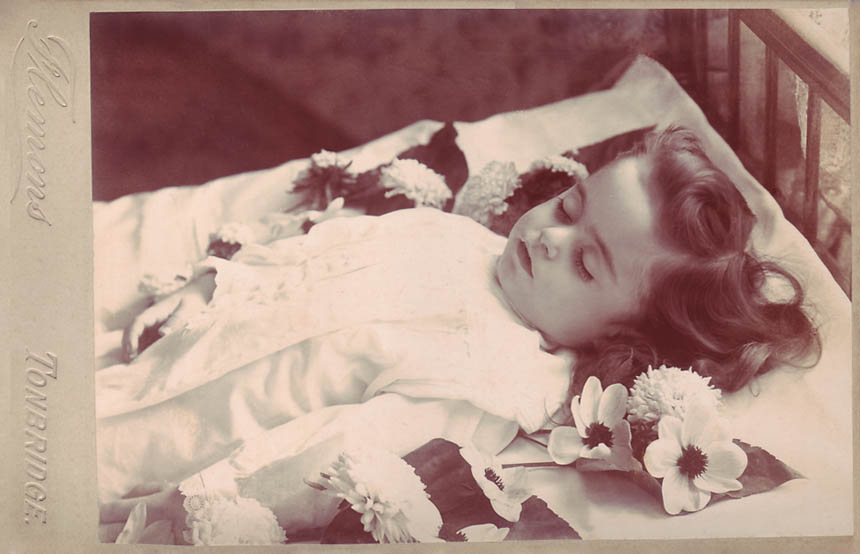
There was also a common custom, which seems distinctly odd today, of having photographs taken of the dead - sometimes on their own, sometimes in posed family groups, but all post-mortem photos.

In some cases, especially with children, there might well have been no other photographs for the family to keep. Photographs were expensive, and complicated to take and arrange, and therefore most people didn’t have them done frequently.

But in other cases, it was part of a morbid fascination with death - the kind of behaviour that saw Queen Victoria go into black widow’s clothes for 4 decades, from the time of her husband Prince Albert’s death in 1860 until she died herself in 1901. Thus the photographs showing a young mother’s children draped over her grave or tombstone, for example.

Some of these dead photos featured the person lying down, as if asleep. In others, the person was propped up, and even had his eyes painted in after the photo was taken. In these cases, the only way you can be sure which person is definitely dead is by noting that the face is very clear - the long exposures needed meant that living people tended to blur, slightly.

There were similar photographs taken in other countries, of course- but the examples below (all out of copyright owing to their age) are English ones.

Dead child with siblings in attendance. Note the slight blur on the standing children owing to the long exposure

Dead man photographed in Sheffield, Yorkshire

Mother, father, three living children, two dead children

Mother, father, three living children, two dead children

Post mortem photograph of a young girl, taken in Tonbridge, Kent

Post mortem photograph of a young girl, taken in Tonbridge, Kent

Sloe jelly - harvesting the hedgerows

By Blog author, October 15, 2009 11:37 pm

Using sloes and bullaces in English traditional cooking

I posted previously a traditional sloe gin recipe, along with details of sloes, bullaces, and when to pick them. That article can be found here: Sloe gin recipe

But making sloe gin isn’t the only option for these freebies from the hedgerows. Another traditional, and wonderful, recipe is sloe jelly.

This article tells you how to make delicious, tart hedgerow jelly from your sloes or bullaces.

Sloe jelly not jam

Making sloe jam would be terribly fiddly - each small berry has a large stone, and getting all those stones out of the fruit would be tedious.

Sloes growing wild in a hedgerow in Kent, England

Sloes growing wild in a hedgerow in Kent, England

Sloe jelly, on the other hand, is very easy to make, and tastes gorgeous. It’s much less sweet than most jams or jellies, because of the tart nature of sloes.

Sloes alone would be far too astringant, so sloe jelly is made from both sloes and apples. Windfalls or apples which are bruised or damaged in some way are perfect - just cut out any bruises or wasp holes, and use the rest.

Making jelly is a great pleasure, whether from sloes, bullaces, or any other fruit.

There is an article here about how to how to make jelly in general - what equipment you need, what you don’t, and how to make sure your jelly sets.

Sloe jelly recipe

4lb of apples

3/4lb of sloes (or 1 1/4lb of bullaces)

2 lemons

Wash all the fruit carefully, and chop the apples and lemons into chunks, which don’t need to be fine.

Sloes after picking, in a woven willow basket

Sloes after picking, in a woven willow basket


Put the apples and lemons in one pan, and add enough water to cover the fruit.

Bring to the boil, and then simmer for approximately 90 minutes, or until the fruit is thoroughly pulpy.

Put the sloes in another pan, also cover with water, and cook until pulpy.

Spoon your fruity mixture into the jelly bag or muslin-covered sieve, and leave overnight, or for several hours.

Take both lots of juice, and put it back in a big pan, with 1lb of sugar for every pint of juice. Heat gently, until the sugar is completely dissolved.

The reason I keep the juices separate at this stage is because sloes, bullaces and apples all vary in sweetness.

The above quantities are an approximate of what I’ve found tastes good in jelly, but I prefer to mix the sloe sugary juice in with the apple gradually, and taste it to find a good balance of flavours.

Once you have the right mixture, boil for approximately 10 minutes, then test for set.

And voila! Beautiful, richly ruby-red sloe jelly!


How to make jelly

By Blog author, October 13, 2009 2:18 am

Jelly is a traditional English way to preserve extra fruit at a time of abundance, and tastes wonderful. It’s not difficult to make, but is very satisfying indeed!

“Jelly” here is used in the English meaning of the word, not the American sense, so it’s not jam, with the fruit left in, but a clear, see-through preserve which can be either sweet or savoury.

Individual jelly recipes will usually assume you know how to make jelly in general - how to strain the juice, how to test for setting, and so forth.

This article tells you what equipment you need, what you can do perfectly well without, and how to make the perfect, home-made jelly.

Jelly-making equipment

To make any jelly or jam, some equipment is essential, some useful but not necessary, and some (in my view) a waste of money and storage space. A lot of it is probably in your kitchen, anyway.

Necessary items:

  • At least one large (really quite big) saucepan
  • Something to strain the juice - such as fine muslin, and a sieve to go with it
  • A wooden spoon
  • A large metal spoon
  • A ladle
  • A couple of saucers
  • Jars
  • wax disks
  • lids or cellophane covers

Useful, but not essential

  • A preserving pan (they are very big, and have thick bases)
  • A jelly bag
  • A jam funnel (metal)
  • A jam spoon

Not needed

  • A jam thermometer

Why the above are necessary or useful

You certainly need a nice big saucepan. I’ve made jelly and jam in just a normal pan, but if you are going to make much jam or jelly in the future, it’s definitely worth having a preserving pan.

The very thick base spreads the heat, and means you are much less likely to burn or scorch your fruit and juice. The handle, which locks into place, is useful, and preserving pans are big, and hold a decent amount at a time - mine has a 9 litre capacity, for example.

You can strain your juice for making jelly with a fine muslin cloth doubled over and placed in a sieve. A jelly bag isn’t necessary, but it’s handy. They aren’t expensive, but you can get them with their own stands, and your fruit is much less likely to fall into the juice, meaning you have to start all over again.

A long wooden spoon is useful for stirring the jelly - those sold specifically as “jam spoons” tend to be big, with long handles. You’ll also need a large metal spoon for skimming off sugar scum before potting the jelly.

You don’t need to buy jam jars. You can quite easily save them from stuff you buy and eat, and ask your friends and family to save them for you as well. If you are going to make lots of jelly or jam, you may need to buy some.

Wax disks go on top of the jelly, and help stop mould growing. They are very cheap, and you ought to use them.

If you are re-using jars, I suggest you don’t use the lids of jars which had tomato, olive, or other strong flavours in them. Instead, use cellophane covers on top of your wax disks - again, these are very cheap, and stop any vague tomato or vinegar flavours creeping uninvited in to your jelly.

You don’t absolutely need a jam funnel, but getting the stuff into the jars is very messy and sticky without one!

I’ve never found any use for a jam thermometer. You need to test the jam or jelly for set anyway, even if you do know exactly what the temperature of your mixture is.


Pectin content and making sure your jelly will set

For any jam or jelly making, you need to have an idea of the pectin content of the fruit you are using. Pectin is the natural chemical in the fruit which makes the jelly set, or become solid, once you’ve made it. Some fruits are high in pectin, others lower.

With all fruits, very ripe ones are lower in pectin than less ripe ones.

If you are making jelly with fruit that is low in pectin, you either need to add fruit which is high in pectin, or add pectin artificially. Otherwise, you’ll have sadly liquid results.

Fruits which are high in pectin

  • Apples
  • Blackberries
  • Blackcurrents
  • Citrus skins (the skins are high in pectin, but the fruit itself is not)
  • Crab apples
  • Cranberries
  • Currants
  • Damsons
  • Gooseberries
  • Loganberries
  • Quinces
  • Redcurrents
  • Sloes

Fruits which have a medium pectin content

  • Cherries
  • Elderberries

Low pectin fruits

  • Apricots
  • Blueberries
  • Figs
  • Melons
  • Nectarines
  • Peaches
  • Pears
  • Raspberries
  • Rhubarb
  • Strawberries
  • Tomatoes

Adding pectin

You can do this with specific pectin mixtures, available to buy, or by using “preserving sugar” which has pectin already included.

How to make jelly

The specific recipe for the type of jelly you are making will tell you how much water to use. The normal rule is to chop the fruit roughly, and cover with water. You bring the pan to the boil, and simmer until the fruit is thoroughly pulpy, which is usually about 90 minutes to 2 hours.

Once you have your fruit pulp, you must strain it thoroughly. It’s easiest to use a jelly bag, which comes with a stand and is easily assembled and designed for the job. But it’s by no means an essential bit of kit.

Spoon your fruity mixture into the jelly bag or muslin-covered sieve, and leave overnight, or for several hours. Don’t squeeze it at all, as this will turn the juice (and the jelly, later) cloudy.

Once you have the clear juice, and put it back in a big pan, with 1lb of sugar for every pint of juice. Heat gently, until the sugar is completely dissolved.

Bring the juice to the boil, and let it boil enthusiastically for about 10 minutes. Stir occasionally with a wooden spoon, but be careful - the mixture is very hot indeed, and it tends to bubble up a lot when stirred.

Then ladle a small amount of the mixture onto a cold saucer from the fridge. If it wrinkles as it cools, then the jelly is ready to set. If it doesn’t, give it another couple of minutes and test the set again.

Skim the top of the mixture with a large spoon to get rid of any scum.

I put my jars in the oven to heat while the jelly is boiling. This sterilises them, and also means they don’t crack when you add the hot jelly.

Ladle the juice into the jars, up to the top, and cover the surface immediately with a wax disk.

Once cool, either put the lids on top, or put dampened cellophane circles on top and secure with a band. The cellophane will shrink a little as it dries, and become air-tight.

Then label, store, and eat!


Naming the days - the heathen origins of English words for days of the week

By Blog author, October 7, 2009 2:39 am

Pagan gods, symbolism, and the days of the week

The names for the different days of the week in English are of ancient, and entirely heathen, origin. When we talk of Monday, Thursday or Saturday, we are talking of the days of different Gods or elements.

Some countries and languages renamed the days after Christianity took hold - for example, in Russian, “Monday” was renamed to be “the day after Sunday”, rather than acknowledging that awful, pre-Christian, moon-adoration.

Not English, though. It stuck thoroughly to the moon, and Roman and Saxon Gods.

Roman Latin and Church Latin

Throughout this post, when I’ve referred to the Latin words for a day of the week, I mean the Roman Latin words.

The Church didn’t approve of all these pagan days, and therefore medieval Latin names for the days of the week were different, and duller, mostly “first day, second day” and so forth.

The child that is born on the Sabbath day, is bonny and blithe, and good and gay

The origin of “Sunday” is as straight-forward as it appears - it is the day of the sun. English is far from alone in using this - in Latin, Sunday was dies solis, and in Old English, the word was Sunnandæg, both meaning, “day of the sun”.

Sunday has often also been called “the Sabbath”, or “the Lord’s Day”, particularly in medieval times.

Monday’s child is fair of face

“Monday” is the day of the moon - from the Old English mōnandæg and mōndæg, both meaning “Moon Day”. This followed a long Indo-European notion of calling the day after the moon - in Latin, for example, the day is dies lunae, or “day of the moon”.

Tuesday’s child is full of grace

The Norse god Tyr (Tiw) from a 1750s Icelandic illustration

The Norse god Tyr (Tiw) from a 1750s Icelandic illustration

English departs from Latin (and many other European languages) in naming this day of the week - in Latin, it was Martis dies, the day of Mars, a Roman god.

In English, however, “Tuesday” is the day of the Saxon god Tiw, known in Norse languages as Tyr.

The Old English word was tiwesdæg , and we still celebrate this Saxon god of war and single combat weekly, on his day.

At one time, Tiw seems to have been more important in the collection of Norse and Saxon gods than Odin and Thor, but became less significant over time - effectively he was demoted and down-graded, by about 400 AD. In late Icelandic legend, he became the son of Odin.

There are places in England which are probably also named after Tiw, such as Tuesley and Dewsbury.

Wednesday’s child is full of woe

A 12th century Swedish tapestry, probably showing Odin, Thor and Freyja

A 12th century Swedish tapestry, probably showing Odin, Thor and Freyja

Wednesday is another Anglo-Saxon’s god’s day - this time, the day of Woden. In Latin, Wednesday was dies Mercurii, the god Mercury’s day, and that is reflected in Romance languages such as French.

Woden, who replaced Tiw as head honcho in the god spectrum, is related to the Norse idea of Odin, but isn’t quite the same.

Woden was, like Odin, the god who carried away the dead, but he also lead the Wild Hunt (among many others who sometimes lead the Wild Hunt, a belief which continued for centuries after England became Christian). For more detailed information on the legends of the Wild Hunt, see this article.

As well as being a god, he was said to have been an ancient King. Anglo-Saxon Kings claimed descent from Woden, as part of their claim to power.

Woden-the-historic-King was supposed to have had four sons, each of whom founded one of the four main Anglo-Saxon Royal Houses - Kent, Wessex, Mercia, and East Anglia.

Woden’s name also survives in English place names, such as Wednesfield, Wensley, and Wednesbury.

Thursday’s child has far to go

Drawing of a 4.6 cm gold-plated silver Mjolnir pendant found in Sweden (image is in the public domain)

Drawing of a gold-plated Mjöllnir pendant found in Sweden (image is in the public domain)

Thursday is another Anglo-Saxon god’s memorial day, this time Thor, who together with Odin / Woden, replaced Tiw in the Anglo-Saxon patheon of gods during the Dark Ages.

The Old English word Þunresdæg is the root, as Þunor was the Old English name for the god, Thor.

As in Tuesday and Wednesday, the Latin name for Thursday was different. In Roman times, Thursday was Iovis Dies or “Jupiter’s day”, and Romance languages have followed this root, on the whole, such as the French word, Jeudi.

Thor was, among other attributes, the god of thunder, and the very word, “thunder” derives from the god’s name.

Thor’s hammer, Mjöllnir, is a magical weapon used particularly for fighting giants, which returns to its owner after being thrown, and creates lightening bolts. Mjöllnir is frequently found depicted in both Norse and Anglo-Saxon art and jewellery.

That Thor and Woden were among the most important Anglo-Saxon gods can be seen from an oath of baptism into Christianity. This was recited to and then by those Saxons converting from paganism to the Church. In Old English, the oath is:

ec forsacho allum dioboles uuercum and uuordum, Thunaer ende Uuöden ende Saxnote ende allum them unholdum the hira genötas sint

which, in modern English, is:

I forsake all the words and works of the devil, Thunear [Thor], Woden and Saxnot, and all those fiends who are their associates

There are lots of places in England named after Thor, such as Thundersley, in Essex, Thurstaston, near Liverpool, and also places such as Thurso, in Scotland.

Friday’s child is loving and giving

A 5th century token, found in Germany, thought to show Frigg

A 5th century token, found in Germany, thought to show Frigg

Friday is named after yet another Anglo-Saxon god, or in this case, goddess, Frige. She is also known in other Germanic languages as Frigg, or Frija.

She was the goddess of love, and appears to combine two different romantic and love goddesses from Norse and Scandinavian gods, Freyja and Frigg.

In Roman Latin, Friday, dies Veneris, was the day of the planet Venus, and once again, languages such as French have followed this root.

Saturday’s child works hard for his living

Saturday is the only day of the English week named after a Roman god. Dies Saturni means “Saturn’s Day”.

The old English word, from which modern English derives, was Sæternesdæg.

The planet Saturn was also named after the Roman god Saturnus, who was the god of both agriculture / farming, and justice.

Saturday was the first day in the Roman week.

Evacuees - millions evacuated from their homes at the start of the Second World War

By Blog author, October 4, 2009 1:38 am

Preparing for war - the terrors of air-power

Evacuee children on their way out of London, September 1939

Evacuee children on their way out of London, September 1939

As tensions in Europe mounted, and Hitler’s territorial ambitions became ever more clear, the British government started to prepare for war in the late 1930s.

The bombing of Guernica by German and Italian aeroplanes during the Spanish Civil War, in 1937, caused large-scale damage and death, and the consequences of air attacks on British targets was very worrying indeed.

The government feared tens of thousands of deaths from bombing raids within days of the war starting.

In the summer of 1938, therefore, the Anderson Committee drew up plans to re-locate, or evacuate, millions of vulnerable British people (mostly children) from at-risk areas, such as cities, ports, and military areas, to safer countryside places.

Operation Pied Piper

Starting on 1st September 1939, when the Declaration of War appeared imminent, millions of British people were evacuated from the areas thought to be at particular risk.

A poster urging people to take in evacuees

A poster urging people to take in evacuees


Operation Pied Piper involved the movement, in 3 days, of an astonishing 3.5 million people. 830,000 of these were school children, 525,000 were mothers and children under school age. The rest were teachers, carers, pregnant women, and disabled people.

Children made up a lot of the evacuees, and were joined by mothers with young babies, and people who were very elderly or seriously disabled.

It was a massive undertaking. The children were accompanied by 100,000 teachers, an absolute miracle of organisation and coordination.

The whole operation began with the Government order, “evacuate forthwith” on Thursday, 31st August 1939.

Essential kit for an evacuee child

Essential kit for an evacuee child

Many children didn’t understand what was happening. All they knew is that they were being ripped away from their parents.

Neither children nor parents knew where they were being evacuated to until they arrived. Parents had to wait to be notified as to where their children were.

The receiving areas were just told to organise the evacuation, and to, “do their best”.

There were many cases of large groups of children arriving in the wrong area without enough food and not enough homes to put them in.

Allocation of evacuees was often done by putting the children in a group in a church hall, and inviting receiving families to help themselves.

This led to a lot of humiliation and upset on behalf of those who were chosen later.

In so-called “receiving areas”, organisations such as the WVS had the power to assess households for the number of empty bedrooms, and to billet children upon them.

An allowance was paid to the host families to cover the costs of feeding, clothing and caring for the children.

Another 2 million people evacuated themselves, mostly to the countryside, some to Ireland, America, Canada, Australia, and New Zealand. Those children sent abroad often didn’t see their homes or families until 1945 /1946.

Schools evacuated together

Poster warning mothers to leave their children in relative safety

Poster warning mothers to leave their children in relative safety

Whole primary schools and secondary schools were evacuated together, with the schools then doing their teaching in country schools and their pupils being housed round and about.

This sharing of school buildings often meant that the two schools operated at different times of day, one in the early morning until lunchtime, and the other after lunchtime until the evening.

The Phony War (Sept. 1939 to May 1940)

Nothing much happened in the War in Britain until May 1940, the so-called “Phony War”.

Many families therefore brought their children and other vulnerable relatives back into the cities, and about 60% had returned home by Easter 1940.

A second evacuation started in mid June 1940 after the fall of France, and approximately 150,000 children were evacuated, many for the second time.

Equipping and identifying evacuees

Each child carried a small case, with a few clothes, and necessities such as a ration book.

They also had their gas masks in a box, and a label was tied to younger children with their name and school on it.

The experience of being evacuated

What was happening at home

What was happening at home

The experience of evacuees was very different. A minority were ill treated, and some even suffered from physical or sexual abuse.

Others had a much better time, and many very poor children who’d never been properly clothed or had enough to eat were given a whole new lease of childhood.

But the wrenches were enormous. Children as young as 5 or 6 were taken away from their homes, parents, and the whole world they knew, and sent to live in a completely different area, with strangers, not seeing their parents for months or even years.

And the children knew why they were evacuees - to keep them safe from bombs. And they therefore also knew the risks to their parents, grandparents, other relatives, and friends, who stayed behind in the cities.


Making sloe gin from wild berries in the hedgerows

By Blog author, October 1, 2009 2:21 am

Hedgerow delights

One of the glories of autumn is going for a meandering walk and picking berries of one wild sort or another from the hedgerows, and either scoffing the lot or making something delicious from them.

England specialises in hedges - even today, when far too many hedgerows have been replaced and dug up, there are still millions of miles of native, wild hedgerows across the country.

Sloe gin is a wonderful, gorgeous drink. It shouldn’t be confused with the odd commerical sloe gin you can buy, rank and awful stuff, that is. And it doesn’t taste much like gin, either - lots of people I know who aren’t at all keen on gin love sloe gin.

Sloes growing wild in a hedgerow in Kent, England

Sloes growing wild in a hedgerow in Kent, England


It can only be made at home, but is very easy to do.

Sloes, bullaces and other wild plum varieties

Sloes grow on blackthorn bushes, which are commonly found in hedges all over the place. I don’t think they are ever farmed exactly, they just seem to plant themselves, or are planted, in hedges, along footpaths, that kind of thing.

Sloes are absolutely beautiful - a dark purple-blue colour, with a shiny sheen on them. They are very small, the biggest are less than 1/2 inch long, and picking them involves dodging the thorns (the plant’s called “Blackthorn” for a VERY good reason).

Bullaces are similar, but larger (an inch or so long) and sweeter, more like damsons in taste. The plants don’t have sharp thorns, an easy way to tell the different.

Sloes are very bitter indeed, if you eat one, it dries your mouth out a lot.

In Kent, where I’ve done most of my own hedge-wandering, there seem to be a lot of hybrid plants - where the wild berries are bigger than normal sloes, and (a bit) sweeter, like bullaces, but still have those 2-3 inch thorns waiting to attack.

Wild damsons are a bit sweeter and bigger than either sloes or bullaces.

When to pick your sloes

Sloes after picking, in a woven willow basket

Sloes after picking, in a woven willow basket

The traditional view is that sloes shouldn’t be picked until after the first frost. This isn’t because the frost helps ripen the fruits, but because it’s an indication that they are ready to be made into the wonderful nectar that is sloe gin.

The important thing, in my view, is to make sure the sloes are ripe, and not to get hung up about whether there’s been a frost or not. There have been no frosts yet in Kent, for example, but the sloes are ripe - slightly squishy if squeezed, and with the gorgeous natural silvery bloom still on them. Once they’ve dried up, or been eaten by birds, or picked by earlier enthusiasts, it’s too late!

I picked 20lb of sloes on 20th and 21st September this year, and another 25lb or so today. This is going to make both sloe gin and sloe-and-apple jelly - half for me, half for my mother to play with.

Sloe gin, just made

Sloe gin, just made

How to make sloe gin

It couldn’t be easier to make this nectar-of-the-Gods. There are as many different recipes as there are sloes growing in the wild, but the following (my mother’s recipe) works well for us:

  • 1lb of sloes
  • 75cl of gin (any gin, no need to get expensive stuff)
  • A secure, seal-able glass container. The bottle the gin came in is fine, if you drink some of the gin first
  • 4oz of white caster sugar

Once you’ve picked the sloes, wash them, pick out any grotty ones, and remove spare leaves and twigs.

Then prick the sloes, with a fork or skewer. Traditional recipes state that only a silver fork or a thorn from the blackthorn bush should be used, but this is not necessary, I reckon.

Put the sloes, gin and sugar in your bottle or jar, and stash it somewhere dark and cool. Every day or so for the first month, turn it the other way up, then every so often thereafter.

Between 3 and 6 months after you’ve put it in the bottle, you should either drain or decant the mixture. You can make the left-over sloes into rather nice chocolate truffles, if you so fancy.

I use a jelly bag to drain the mixture, or you can use coffee filters, or just decant the clear bit at the top, leave, and repeat.

Then stick the sloe gin in a handy glass bottle, and voila! Sloe gin! I put some in smaller bottles to distribute among friends and relatives too idle to make their own, it makes a great Christmas present.

A note about sugar - some recipes suggest as much as 8oz of sugar for 1lb of sloes. That sounds far too sweet to me, but it’s a matter of taste. Far easier, though, to add more sugar later. Trickier to remove it….

There really is no point in buying expensive gin. The taste is completely altered by the sloes, so don’t bother splashing out on it. We tend to buy a job lot of whatever we can find cheaply on-line, and my mother and I then share it out between us.


Drinking your sloe gin

It can be drunk at that point, or left in the bottle to mature. Family preference states that it’s better after it’s aged 1 -3 years, rather than just made, but it’s a matter of taste. It might taste wonderful if it’s more than 3 years old, too, but we’ve never managed to find out; it’s all been drunk by then!

It’s a traditional Christmas / New Year drink; we tend to indulge particularly on New Year’s Eve and 12th night. But there’s no reason to avoid it at other times of year, of course.

The sloe gin tends to be less alcoholic than normal gin, with the addition of the hedgerow harvest.

You can also make sloe vodka in precisely the same way. I’ve tried it, and found it perfectly OK, but not as interesting or more-ish as proper sloe gin.


Panorama theme by Themocracy